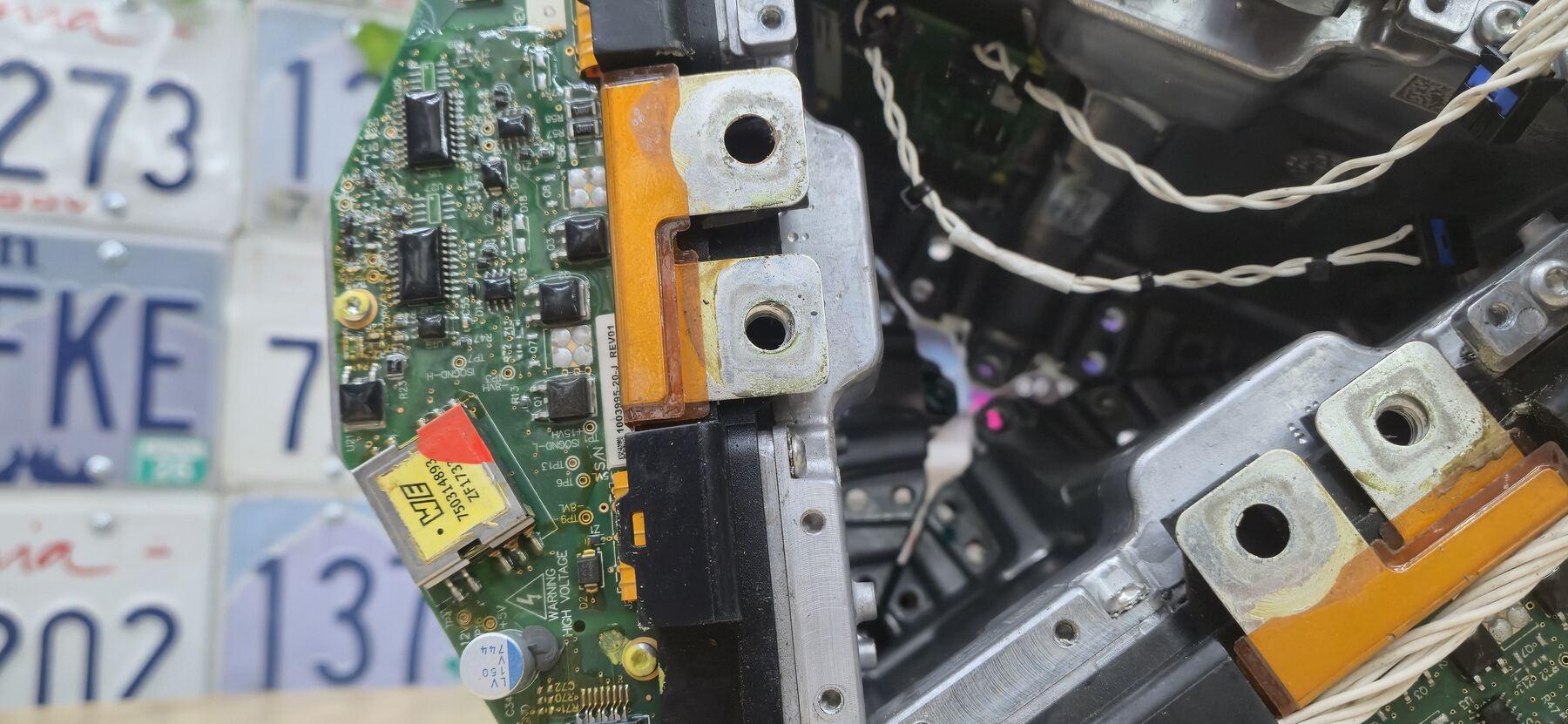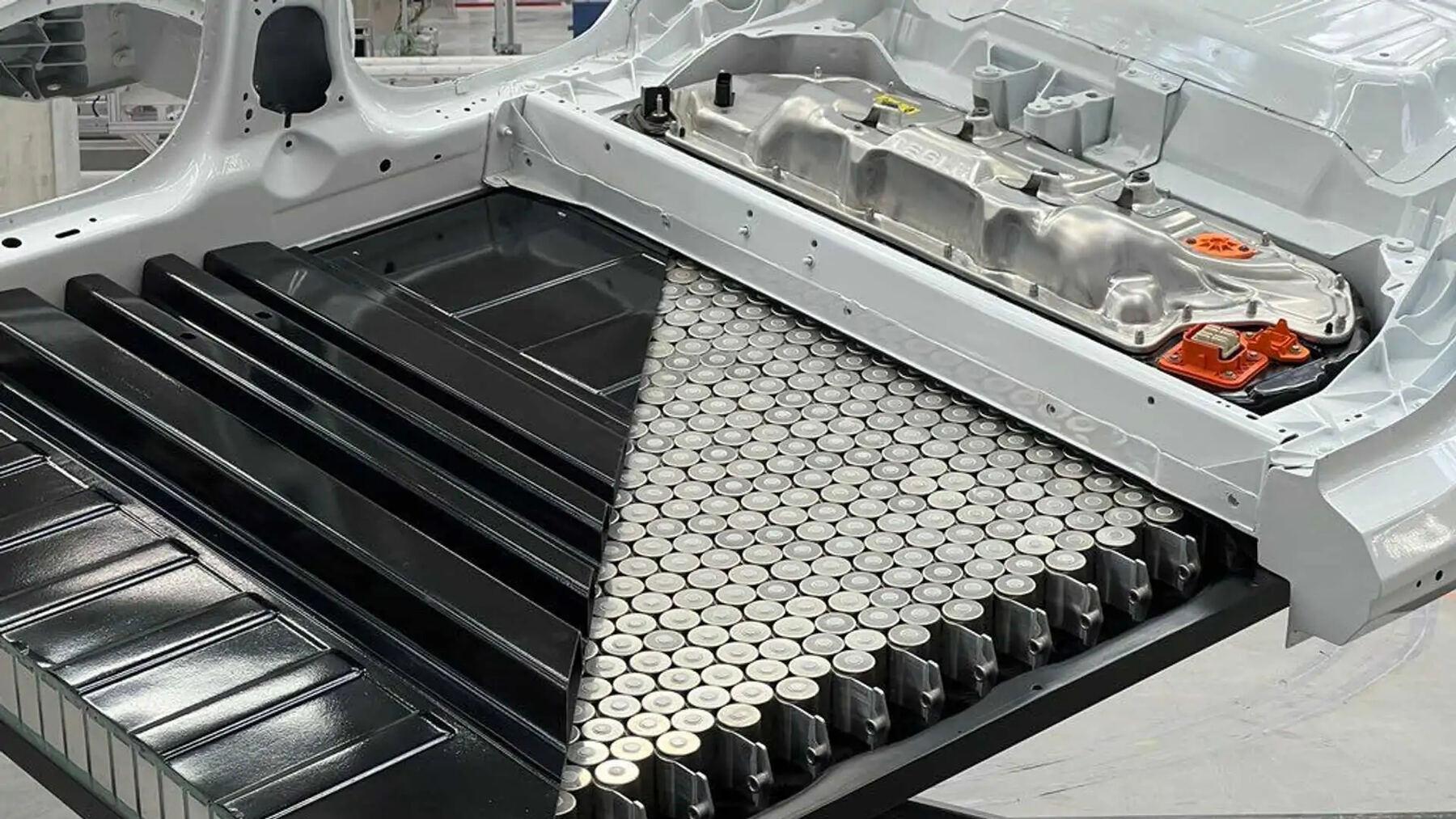
The battery
The battery is most of the car's value. Check it first:
- 1. Get a state-of-health test. The range on the screen is an estimate, not a measurement.
- 2. Ask how the car was charged. Constant fast-charging wears some packs faster.
- 3. Check the battery warranty left by VIN. Most EV packs carry 8 years from the original sale.
Charging
Make sure the car charges the way you will use it:
- 4. Plug it in on a Level 2 charger and on a fast charger if you can. Both should start without errors.
- 5. Check the charge port and its door, latch and lights.
- 6. Ask whether a mobile charging cable comes with the car.
Drive and electronics
Then drive it properly:
- 7. Listen for a whine or grinding from the drive unit at steady speed.
- 8. Run the heat and air conditioning hard. A weak heat pump costs money to fix.
- 9. Check every screen, camera and driver-assist feature you are paying for.
Paperwork
Finally, the paper:
- 10. Title status: clean, salvage or rebuilt.
- 11. Open recalls by VIN on the manufacturer's site or NHTSA.
- 12. Service history, especially any battery or drive unit work.
Used EV buying guide: what the checklist will not tell you
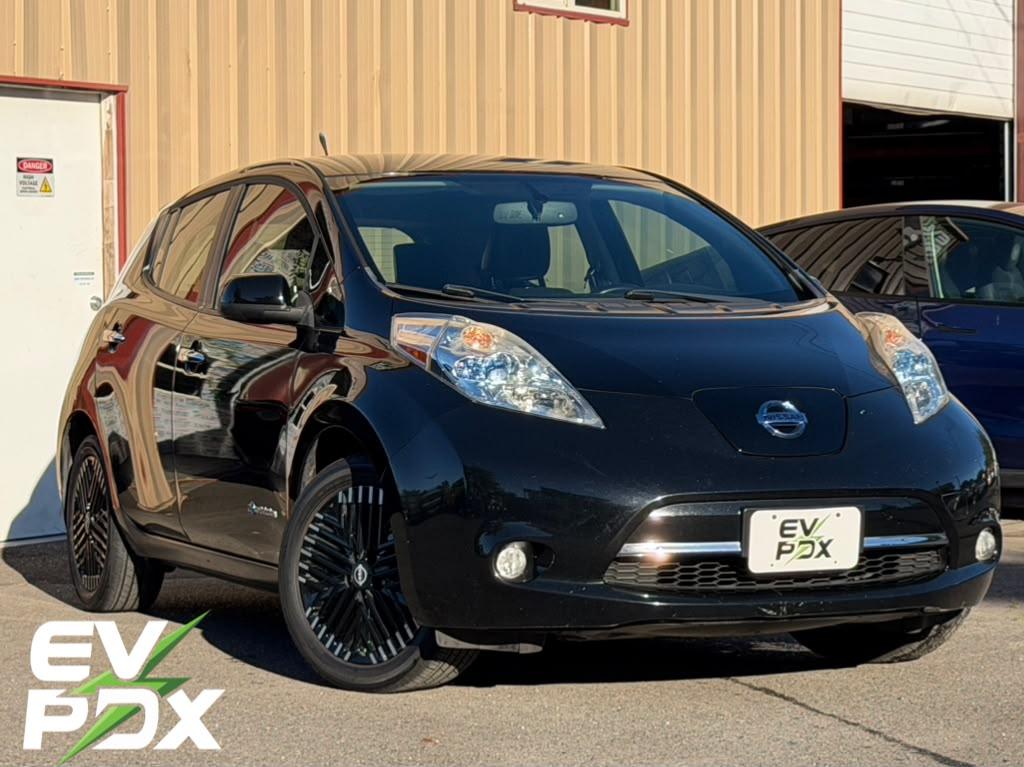
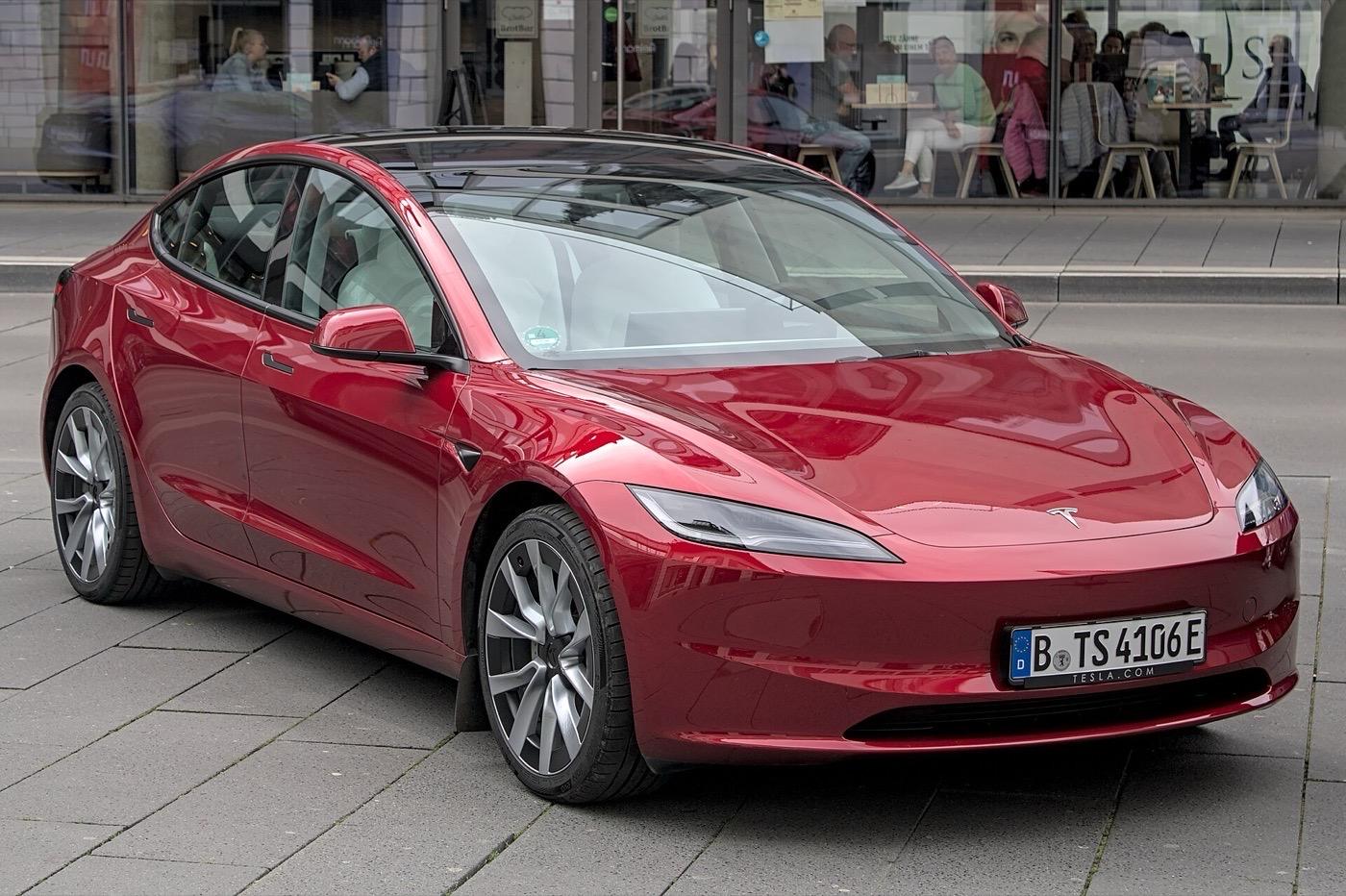
Every model has its own weak spots. Older Leafs lose battery capacity in heat, some Teslas have known suspension and door-handle wear, and many Bolts have a replacement pack from the recall. An EV specialist knows these by heart. If you are buying privately, a battery check from an independent EV shop is the cheapest insurance you can buy.