How much does a Tesla battery replacement cost?
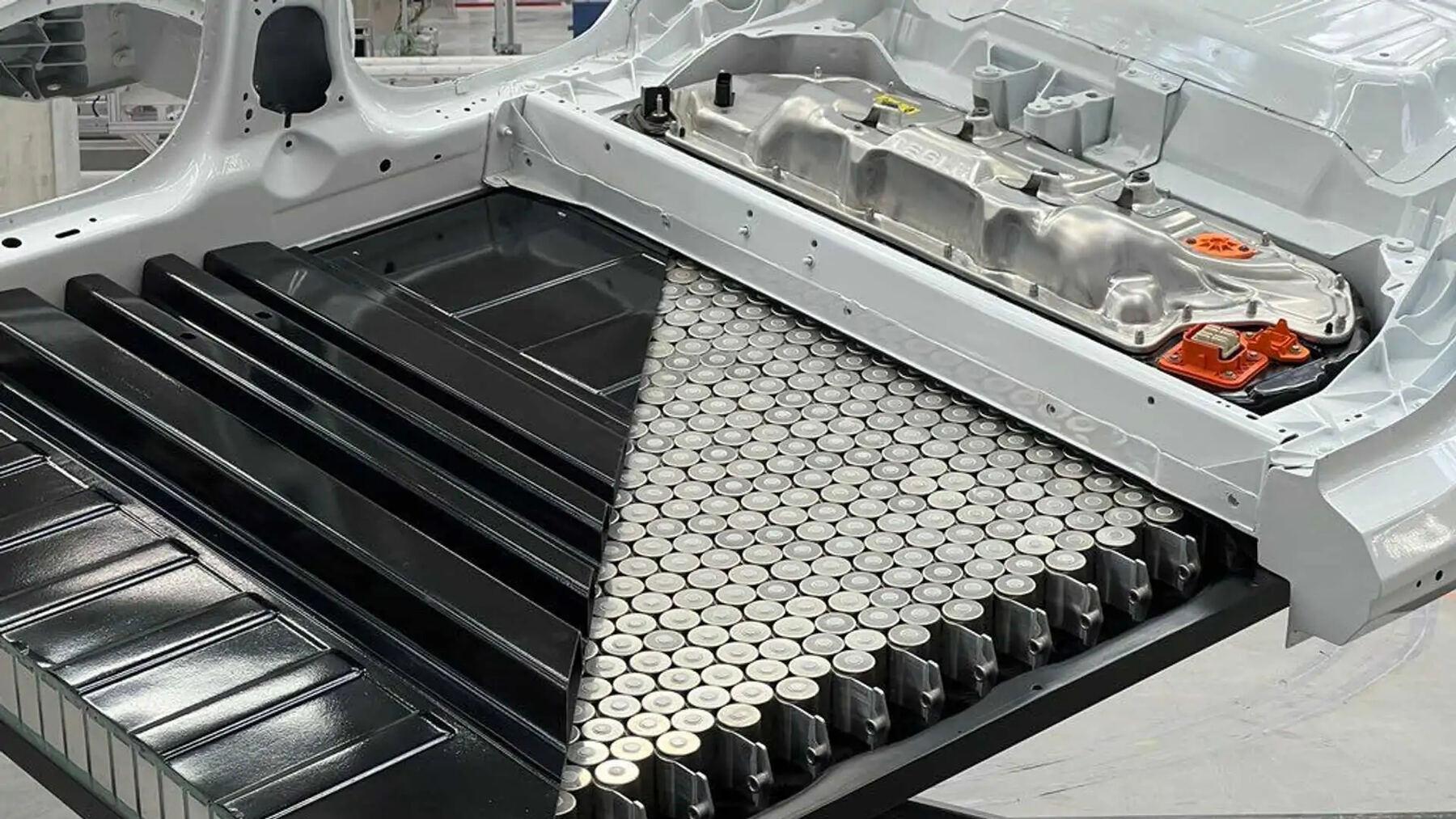
A brand-new high-voltage pack installed by Tesla is the most expensive route. Owners commonly report quotes in the low-to-mid teens of thousands of dollars for a Model 3 or Model Y, and higher for a Model S or Model X. The price depends on the pack size, the year and whether Tesla fits a new or remanufactured pack.
An independent EV shop has more options: repair the failed part of the pack, fit a rebuilt pack, or install a higher-capacity pack. Those routes usually cost much less than a new pack, which is why the first step is always a test, not a quote.
Tesla battery replacement cost by model
What changes the price is the pack, not the badge. A rough guide to what drives cost on each model:
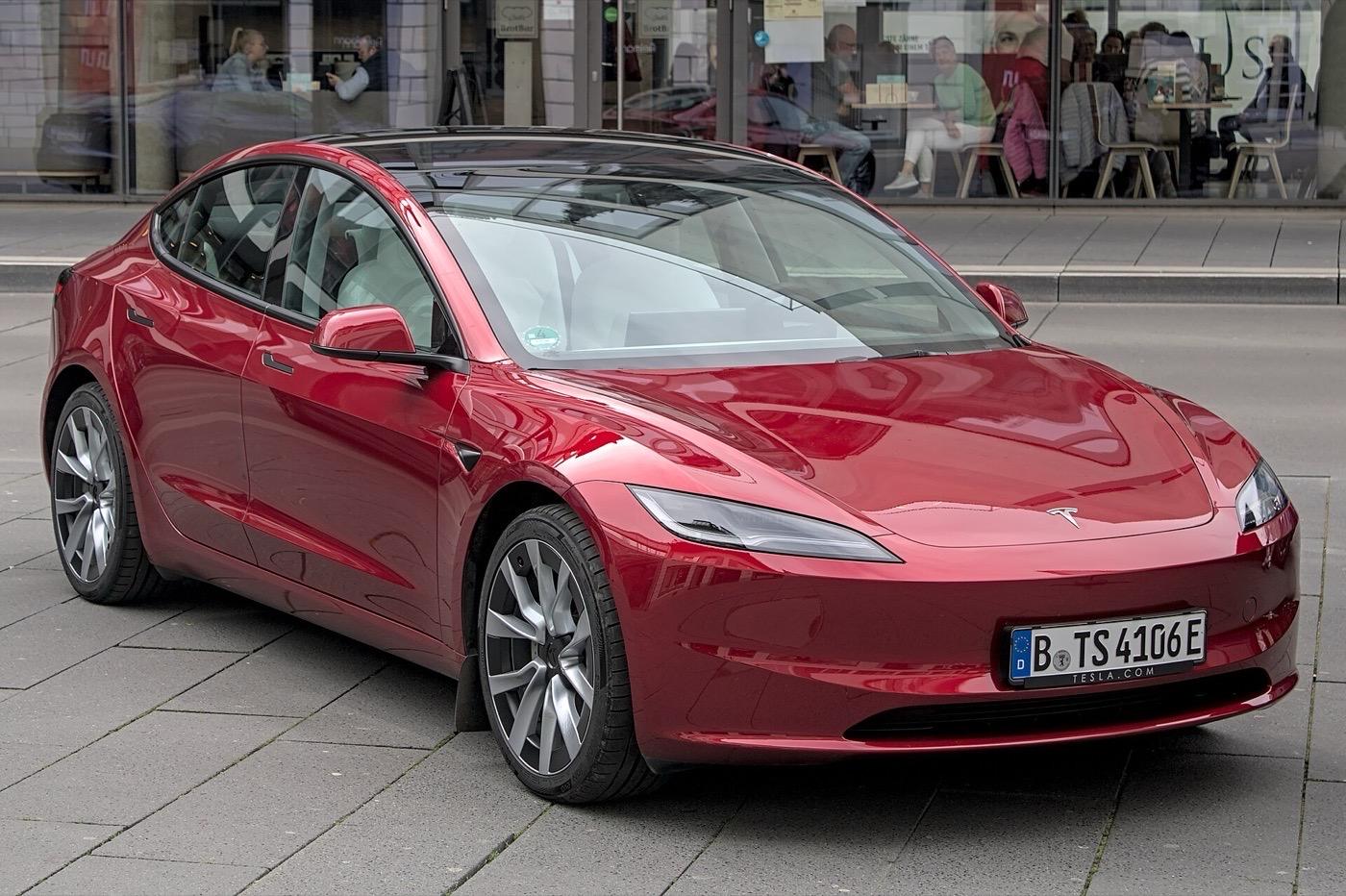
- Model 3: the most common pack on the road, so rebuilt and used packs are easier to find. Long Range packs cost more than Standard Range.
- Model Y: shares a lot with the Model 3. Long Range Model Y packs are among the most requested replacements we see.
- Model S: older 85 and 90 kWh packs are the usual candidates for module repair or a higher-capacity upgrade.
- Model X: the largest and heaviest packs, so new-pack quotes run highest. Repair-first matters most here.
Does the Tesla warranty cover the battery?
Tesla covers the high-voltage battery for 8 years, with a mileage cap that depends on the model: generally 100,000 miles for Model 3 and Model Y Standard and Rear-Wheel Drive, 120,000 miles for Long Range and Performance, and 150,000 miles for newer Model S and Model X. Coverage includes capacity falling below 70% during the warranty period. Many older Model S and Model X cars had 8 years with unlimited miles.
If your car is inside the warranty, start with Tesla. If it is outside, or Tesla's answer is a whole new pack, get a second opinion before you pay for one.
How often does a Tesla battery need replacing?
Most Tesla packs never need replacing in normal ownership. Capacity drops a few percent in the first years and then flattens out. Packs that fail early usually have a specific fault: a weak module, water ingress, a failed contactor or a cooling problem. Those are repairable on a bench.
Tesla 12V battery replacement cost
The small low-voltage battery is a separate, cheap job. Older cars use a 12V lead-acid battery; newer cars use a lithium low-voltage battery. If your Tesla will not wake up or shows a low-voltage warning, check this first. It is a quick fix and has nothing to do with the main pack.
Repair, rebuild or replace: how we decide
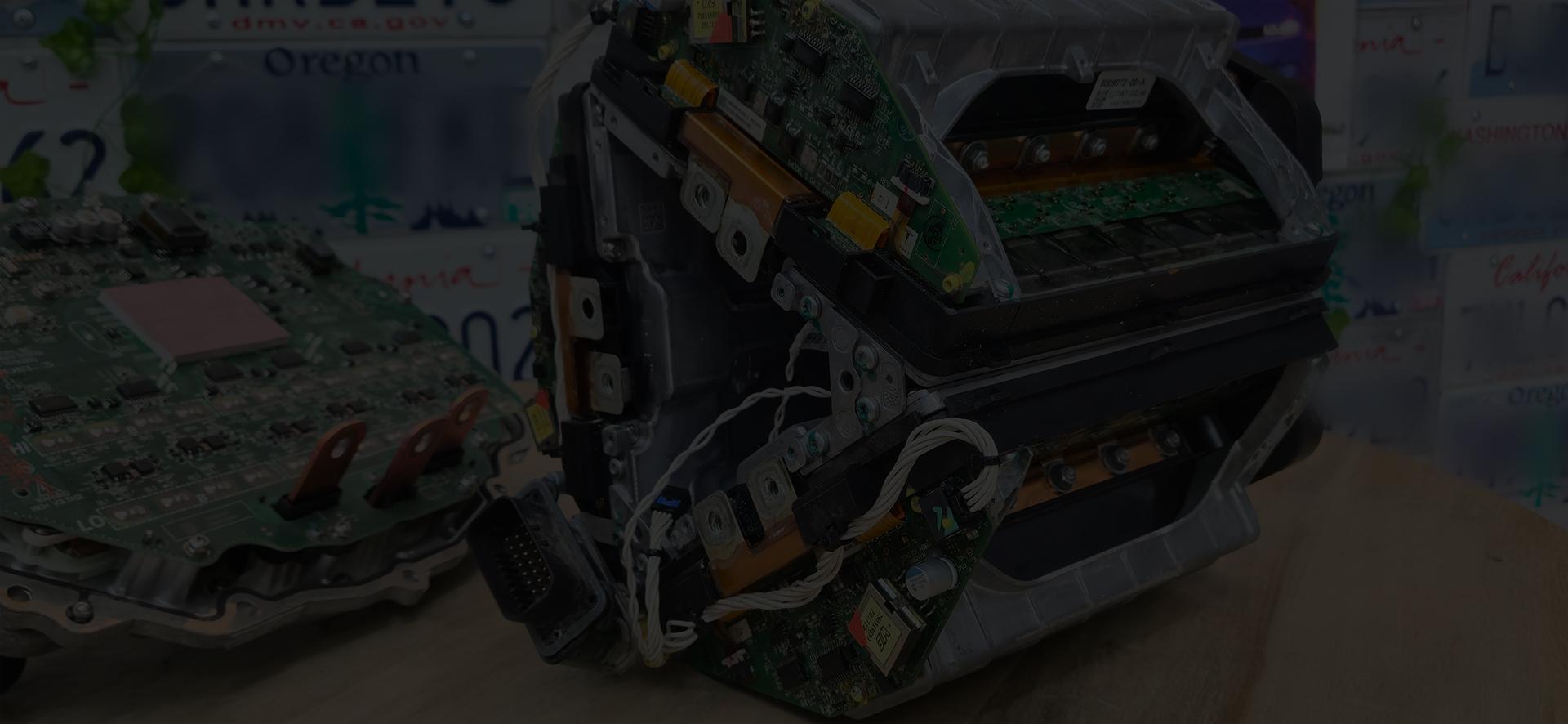
At EVPDX we test the pack first: state of health, cell balance and the fault codes behind the warning. Then you get the options side by side, with prices, before any work starts. When a pack can be repaired, we repair it. When it cannot, we fit a rebuilt or higher-capacity pack and test it before the car goes home.